
Beaujolais Wine
Natural, organic & biodynamic Beaujolais wine
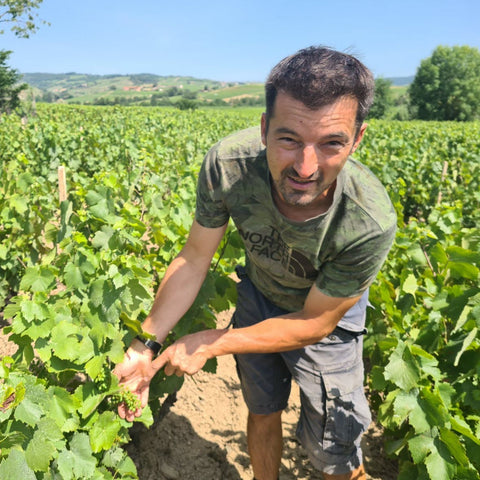
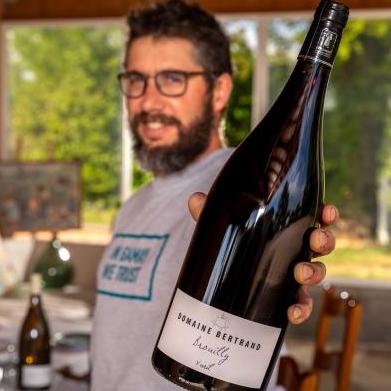
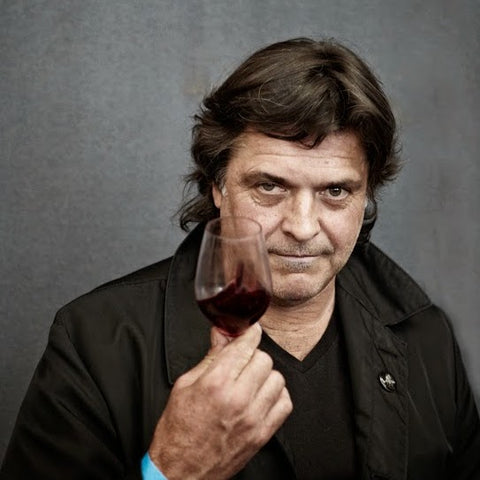
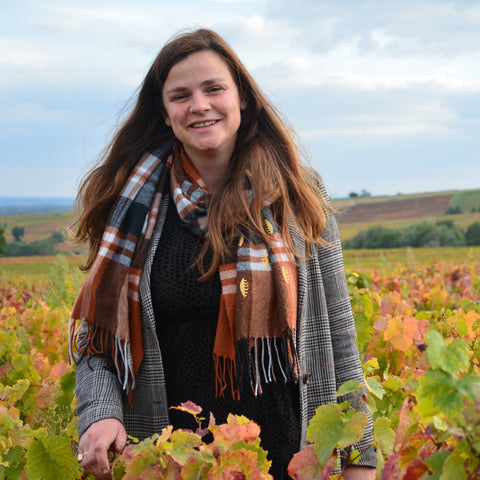
The wine region not to miss according to our co-founder Clément Chevrier. It’s where Gamay was born — the best grape in the world, if you ask him. So many winemakers we love, like the amazing Guy Breton, Domaine Lapierre, Yann Bertrand... A diversity of Gamay depending on soils and terroirs. A must-try!
18 products




Everything about Beaujolais wines
The terroir of Beaujolais
Beaujolais, located south of Burgundy, covers around 17,000 hectares of vines spread over fifty kilometers between Mâcon and Lyon. This hilly vineyard is planted on granitic, sandy, or clay-limestone soils, giving wines a mineral, lively expression. The emblematic grape is Gamay noir with white juice, but there’s also a bit of Chardonnay for whites.
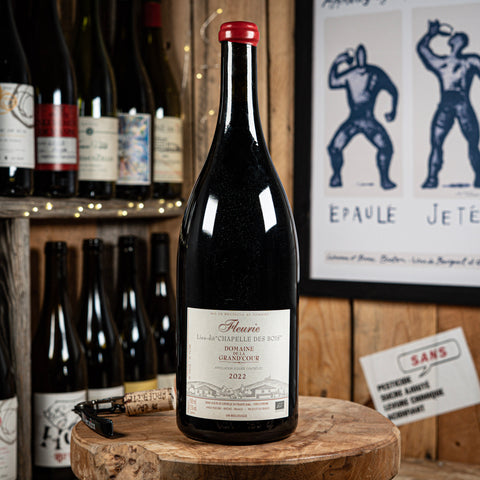
Beaujolais is structured into several levels of appellation: AOC Beaujolais, AOC Beaujolais‑Villages, and especially the 10 crus (Morgon, Fleurie, Brouilly, etc.) that reveal the full range of styles. While long associated with Beaujolais Nouveau, the region has undergone a deep revival in recent years, driven by winemakers committed to natural, organic, and biodynamic methods.
“Natural Beaujolais” was born here in the 1980s with pioneers like Marcel Lapierre, Jean Foillard, and Yvon Métras, who restored Gamay to its former glory. Respect for the soil, vinification without chemical inputs, and pure fruit expression are now strong hallmarks of contemporary Beaujolais.
Red Beaujolais wine
Red Beaujolais is almost exclusively made from Gamay, offering an intense, juicy palette: crunchy red fruits (cherry, raspberry, redcurrant), gentle spices, and sometimes floral notes like peony or violet. The Beaujolais crus bring complexity and structure that can surprise fans of simpler wines. Depending on origin and altitude, the reds can be light, juicy, and easy to drink, or more structured, bold, and suited to aging (like Morgon or Moulin‑à‑Vent). Natural red Beaujolais seduce with their freshness, liveliness, and purity, without any oenological enhancements.
White Beaujolais wine
Less known but equally interesting, white Beaujolais is mainly produced from Chardonnay. Grown on limestone or clay-siliceous soils, it gives dry, fresh, aromatic whites. You’ll find notes of white fruits (pear, apple), citrus, white flowers, and sometimes lovely minerality. When vinified naturally, these white Beaujolais offer a gourmand, very digestible and versatile style. Ideal as an aperitif, they also pair well with fish, goat cheese, or vegetarian dishes.
Beaujolais food & wine pairings
Beaujolais food & wine pairings are amazingly flexible due to Gamay’s freshness and lightness. Fruity, smooth reds go well with simple and convivial dishes: charcuterie, roasted poultry, quiches, soft cheeses. More powerful crus like Morgon, Chénas, or Moulin‑à‑Vent will perfectly accompany stews, grilled red meats, or even beef bourguignon. For whites, go for fresh and balanced combinations: salads, grilled fish, slightly spicy Asian cuisine. Their liveliness also makes them ideal with creamy dishes or risottos. Beaujolais is the wine of pleasure, accessibility, and immediacy—but can also be complex and profound. With natural expressions, it becomes the perfect companion for seasonal, local, and sincere cuisine.