
Languedoc-Roussillon wine
Natural wine from Languedoc - Roussillon, organic and biodynamic
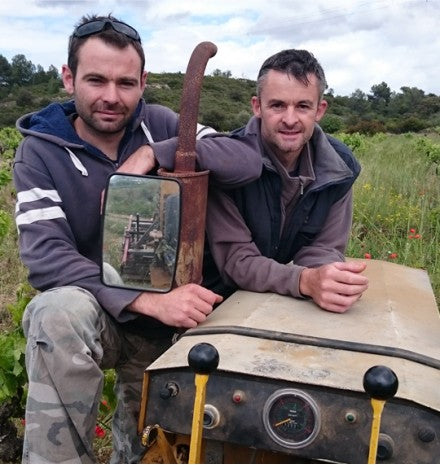
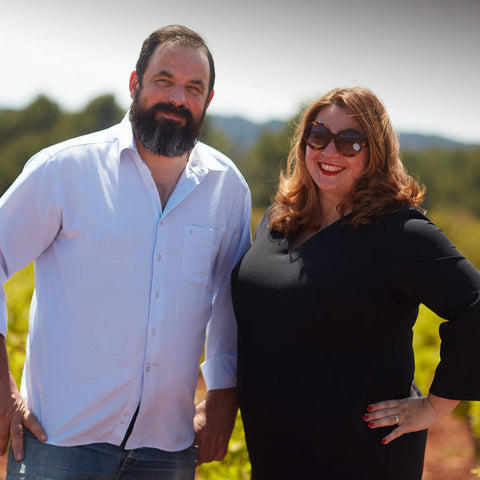
When thinking of Languedoc-Roussillon, one imagines a vast, sunny region with garrigue landscapes, wind, and warm rocks. Here you’ll find powerful red wines (and more), structured yet always showing fruit and freshness when well crafted. It’s also an ideal playground for natural winemakers. The domaine Ledogar in Boutenac, and Zélige Caravent in Pic Saint-Loup perfectly embody this dynamic with honest cuvées, unadorned, that fully express their terroir.
28 products




All About Wines from Languedoc-Roussillon
The Languedoc-Roussillon Wine Terroir
Stretching from the Cévennes mountains to the Mediterranean shores, Languedoc-Roussillon is one of France’s largest wine regions. The climate is predominantly Mediterranean: hot, dry, sunny, and swept by regular winds (Tramontane, Marin), making it ideal for limiting disease and encouraging organic or natural farming. The soils are incredibly diverse: schist, limestone, rolled pebbles, red clay, marl... each terroir producing a wide variety of wines. Historically linked to mass production, the region has undergone a true renaissance over the past decades thanks to passionate, independent winemakers.
Grapes and Wines of Languedoc
Grenache reigns supreme here, often blended with Syrah, Carignan, or Mourvèdre. You'll also find Cinsault, Macabeu, Terret, Grenache Blanc, and Clairette. Some of these forgotten varieties have been lovingly revived by a new generation of natural winemakers. The climate allows grapes to reach optimal ripeness without manipulation, resulting in wines that are structured yet balanced, deep yet not heavy. Expect juicy, vibrant reds, saline and expressive whites, and even oxidative or natural sparkling wines bursting with energy.
Natural Wine in Languedoc-Roussillon
If there’s one region where natural wine has taken hold with strength and conviction, it’s Languedoc-Roussillon. Since the 1990s, pioneers like Léon Barral, Olivier Cousin, and Jean-François Nicq have paved the way for additive-free, vibrant, and expressive viticulture. The region has attracted many young winemakers from all over France (and beyond) who’ve settled on forgotten plots, seeking freedom and authenticity in their wines. The result is a wide variety of styles and sensibilities, all with a shared desire to let the grape and terroir speak—without artifice.
Appellations of Languedoc-Roussillon
Minervois, Corbières, Pic-Saint-Loup, Faugères, Saint-Chinian, Terrasses du Larzac... these appellations need no introduction. Each has unique geological and climatic features, but all share exceptional potential for natural wine. Pic-Saint-Loup charms with its altitude freshness and floral notes. Faugères impresses with its elegant schist soils. And Corbières, with its wild, arid landscapes, yields powerful yet balanced wines influenced by the garrigue. Many winemakers also choose the “Vin de France” designation to escape AOC constraints and experiment freely.
Food Pairings with Languedoc-Roussillon Wines
Thanks to the generosity of the climate and grape varieties, Languedoc-Roussillon wines pair beautifully with sun-kissed, flavorful southern cuisine. For a natural red based on Grenache or Syrah, think lamb tagine, herb-grilled chops, or slow-cooked ratatouille. Lively whites made from Terret or Grenache Blanc pair wonderfully with grilled fish, pan-fried squid, or sheep’s milk cheese. Natural bubbles? Perfect for apéritif with olives, hummus, or zucchini flower fritters.
Red Wines from Languedoc-Roussillon
Languedoc-Roussillon reds are often sun-drenched and intense, but thanks to skilled natural winemakers, you now find fresher, more drinkable styles. Carignan, when gently vinified, reveals notes of black cherry and spices. Syrah offers aromas of violet, black olives, or white pepper. Grenache can be lush and generous with great structure. These are wines that speak of the South without heaviness, perfect with bold dishes or a simple backyard barbecue with friends.