
Wine from Provence
Natural wine from Provence, organic and biodynamic
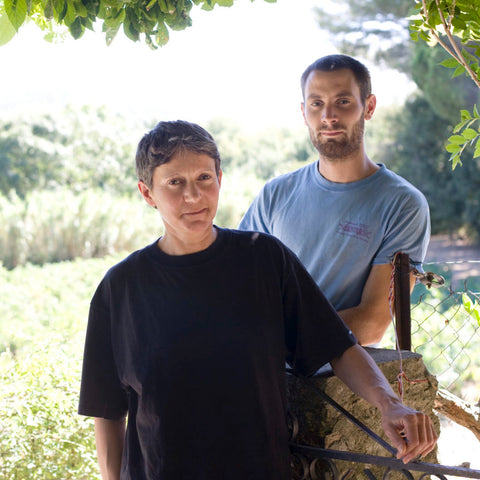
The South is much more than rosé wines from Provence. Between natural rosés that are fresh, structured, and gastronomic, sun-filled reds, and Mediterranean-profile whites, the region proves its place in the world of living wines. Committed winemakers like Castell-Reynoard or Myrko Tépus embody this new generation working without additives, respecting natural balances. Far from standardized volumes, here every cuvée has a true identity.
7 products



All About Wines from Provence
The Wine Terroir of Provence
With over 26,000 hectares of vineyards and a climate strongly influenced by the Mediterranean, Provence benefits from an extremely varied terroir. Limestone to the west, crystalline soils to the east, with areas of sandstone, schist, marl, or rolled pebbles, each sub-region has its own characteristics. High sunshine exposure, low rainfall, and the Mistral play a crucial role in grape health. Three main appellations structure production: Côtes de Provence, Coteaux d’Aix-en-Provence, and Coteaux Varois, not to mention IGPs such as Méditerranée or Alpilles, freer and often favored by natural winemakers.
What Style of Wine is Found in Provence?
Provence is not just poolside rosé. Even though rosé makes up the majority of production (around 90%), there are also fleshy, spicy reds and often overlooked but expressive whites. Wines are generally dry, lively, and very aromatic, with a beautiful mineral structure. In natural style, these wines become rawer and more sincere: less technical, more vibrant. No-additive vinifications let you rediscover a more peasant-style Provence, rooted in its terroirs rather than marketing.
Rosé Wine from Provence
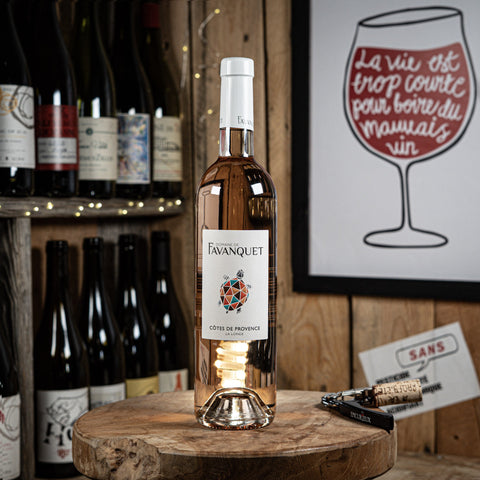
Long standardized by large industrial volumes, Provençal rosé is finding new energy thanks to natural winemakers. Gone is technological rosé, replaced by cuvées with structure, substance, freshness, and sometimes a hint of tannin. Using grapes like Grenache, Cinsault, or Tibouren, natural rosés from Provence can accompany an entire meal, not just summer aperitifs. Less stable but more vibrant, they offer another, more artisanal and gastronomic vision of rosé.
Red and White Wines from Provence
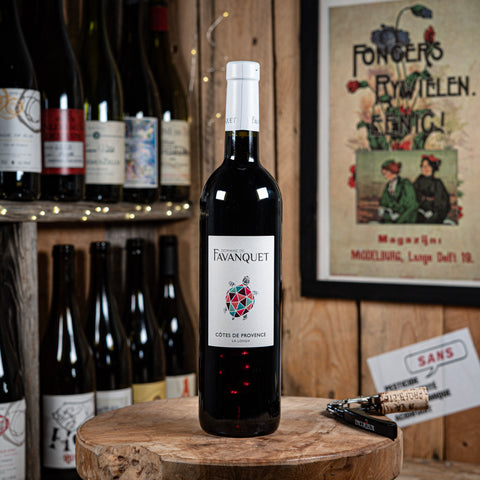
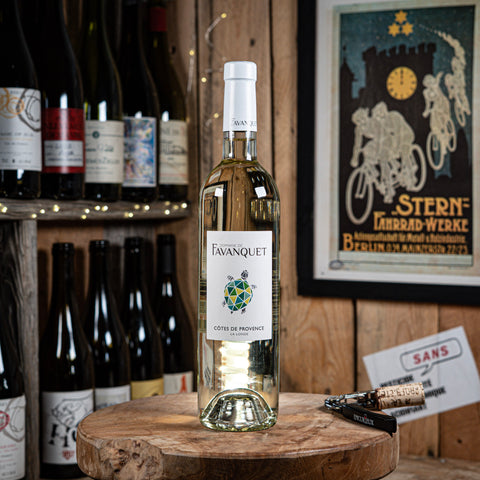
Natural reds from Provence stand out for their sunny and structured character, often with notes of spices, garrigue, and ripe black fruits. Mourvèdre, Syrah, Grenache, Carignan… when well-worked, produce wines with depth without excessive oak or heaviness. For whites, Rolle (Vermentino), Clairette, Ugni blanc, or Bourboulenc allow for fresh, saline cuvées, sometimes slightly oxidative when vinifications are freer. These wines are little-known but deserve attention, especially in natural style.
Food Pairing with a Natural Wine from Provence
A natural red from southern Provence pairs perfectly with sunny cuisine: daube provençale, ratatouille, grilled lamb, or roasted vegetables. Deeper rosés pair well with Mediterranean dishes like pissaladière, grilled sardines, or Niçoise salad. Natural whites, often expressive, are wonderful with plancha-cooked fish, marinated anchovies, or fresh goat cheese.